News & Trends



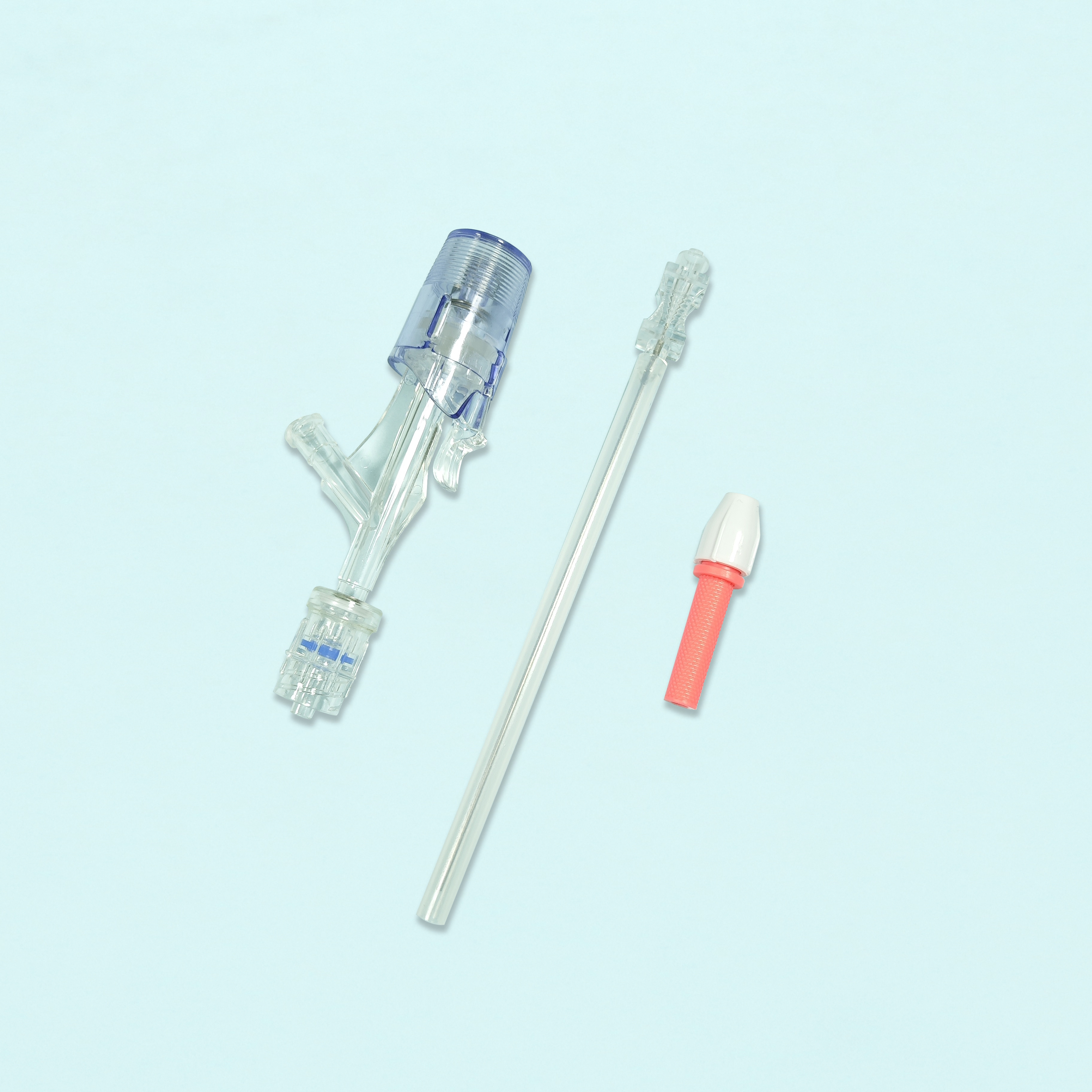


PICC: The Lifeline for Long‑Term Intravenous Therapy
2026-06-26
From “no Venous Access” to “a single puncture that opens the way” – this lifeline is reshaping the landscape of long‑term intravenous therapy
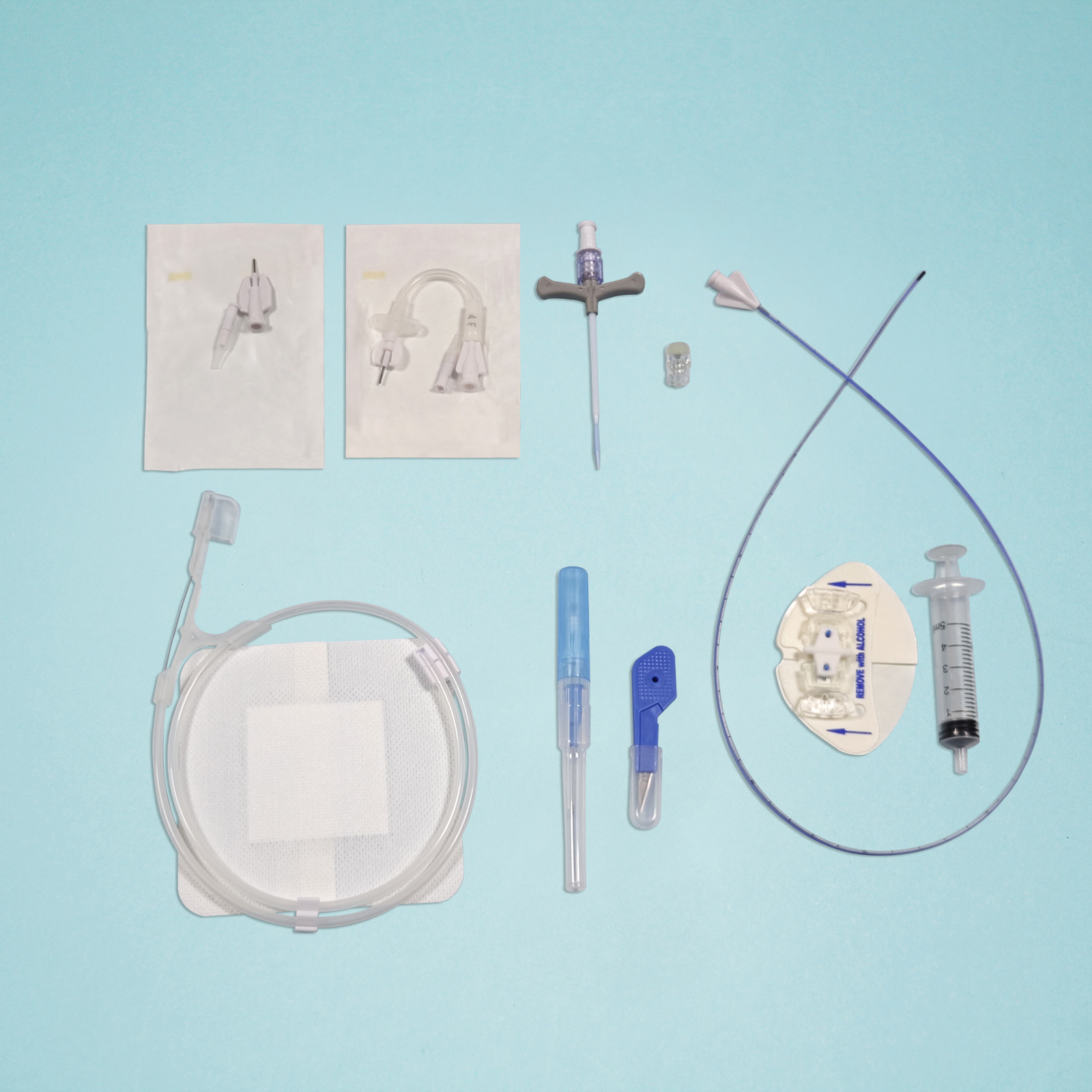
For cancer patients undergoing chemotherapy, critically ill individuals dependent on long‑term parenteral nutrition, and those with chronic conditions requiring sustained anti‑infective therapy, intravenous infusion often means repeated venipunctures, severe vascular irritation, and even the despair of “no accessible veins left.” Today, a slender catheter called PICC (peripherally inserted Central Catheter) is quietly changing this reality. Recognized not only as a patient’s “lifeline,” it has become an indispensable core technology in modern intravenous therapy.
How does a single catheter become a “lifeline”?
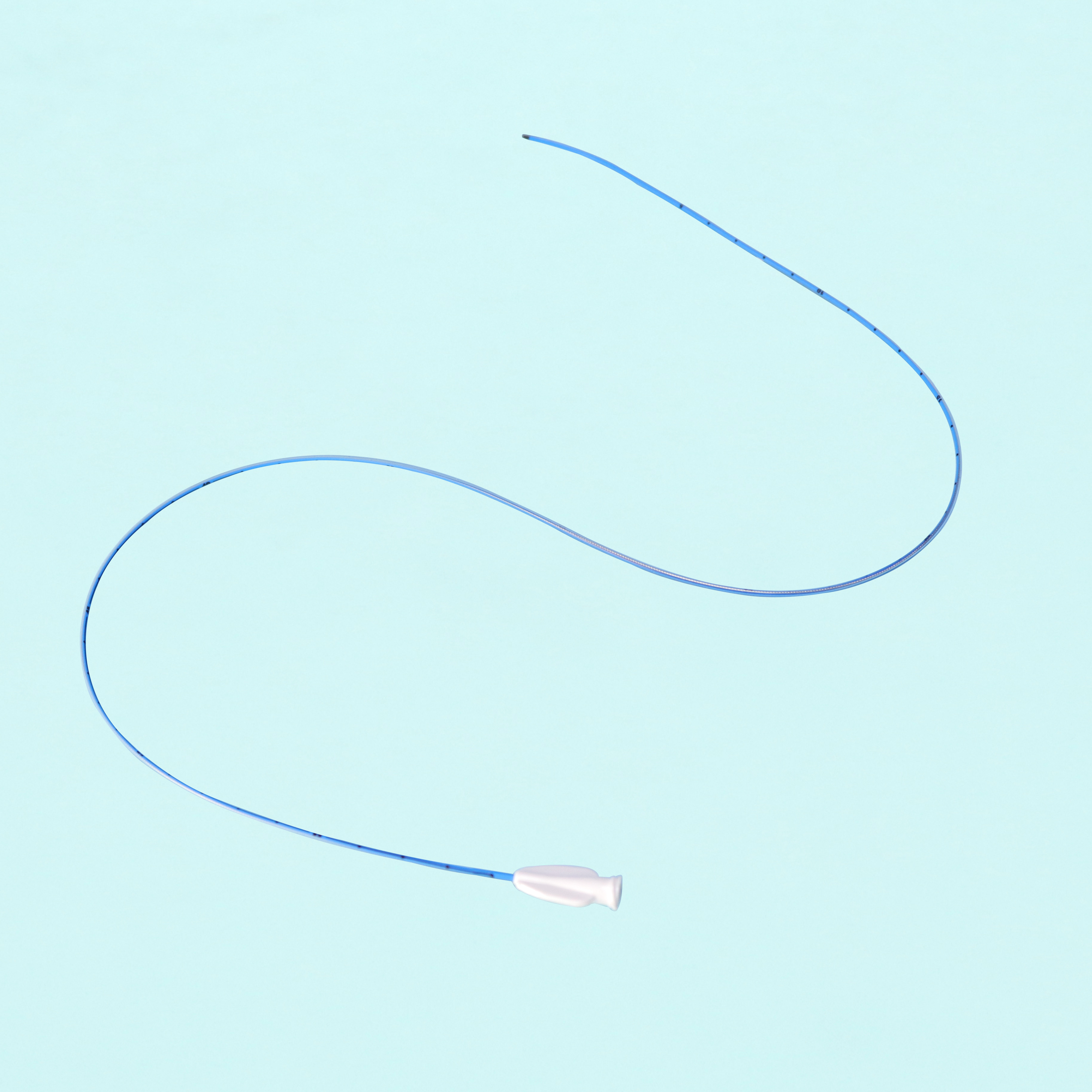
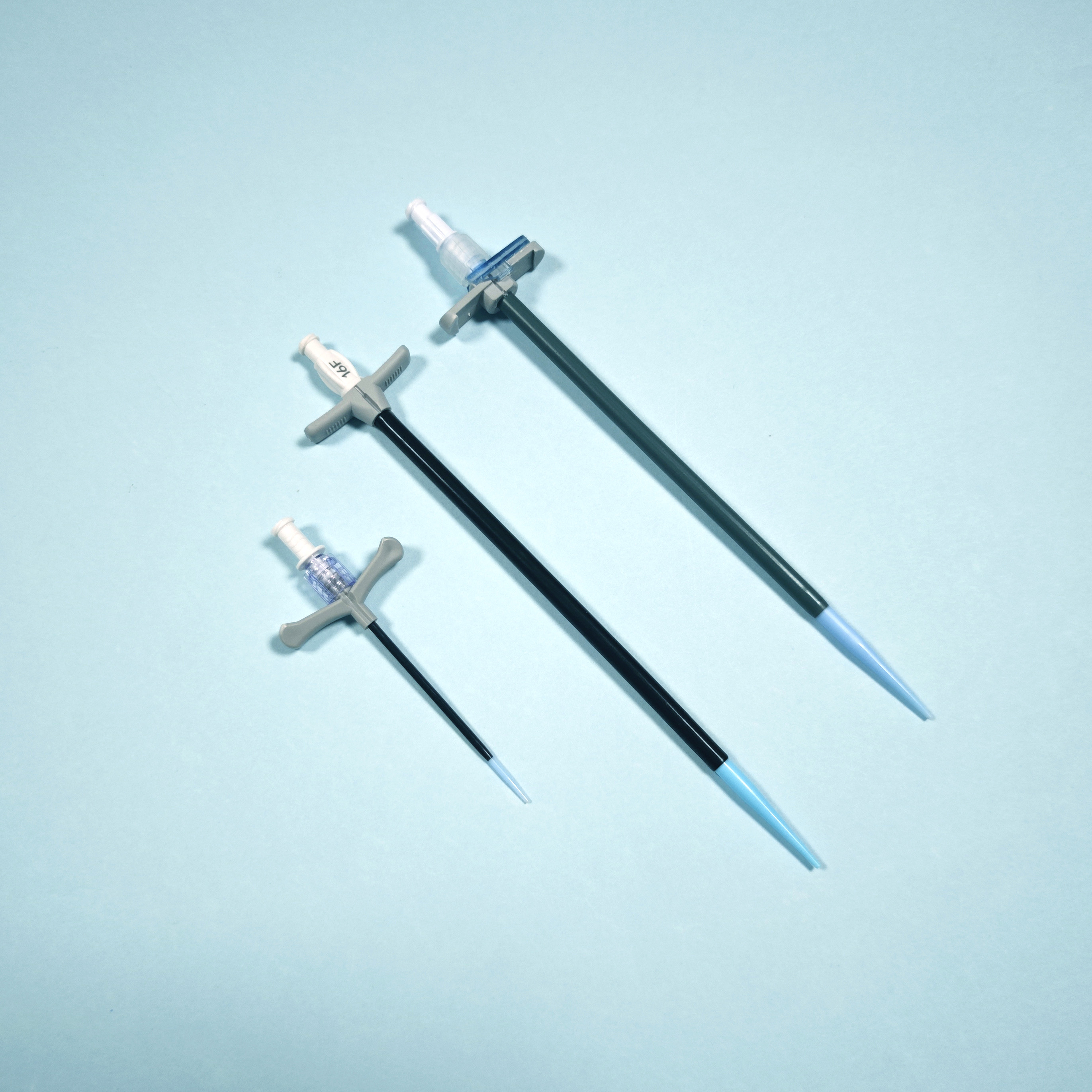
A PICC is a long, thin, flexible catheter inserted through a peripheral vein (typically in the upper arm), with its tip finally positioned at the lower third of the superior vena cava or the cavoatrial junction (CAJ). This location has the fastest blood flow velocity in the systemic circulation, rapidly diluting high‑concentration chemotherapeutic agents, antibiotics, and parenteral nutrition solutions, thereby significantly reducing the risks of extravasation, phlebitis, thrombosis, and catheter‑related infections. Studies show that deviation of the catheter tip can increase the risk of thrombosis by 10–15 % and triple the risk of catheter‑related bloodstream infections. The precision of tip placement directly determines the success and safety of this “lifeline.”
Compared with traditional central Venous Catheters, the PICC offers outstanding advantages including longer dwell time (up to one year), relatively lower infection risk, and greater convenience for daily activities. More importantly, it greatly reduces the pain of repeated punctures – for example, cancer patients typically need intravenous infusions 3–4 times per week; a single PICC insertion can support the entire course of treatment.
Technological advances: making the “lifeline” more precise and smarter
In recent years, PICC insertion techniques have undergone a fundamental leap from “blind placement” to “image‑guided” and from “post‑procedure verification” to “real‑time intraprocedural guidance.” The application of electromagnetic navigation (or magnetic tracking) technology has ushered in a new era of precisely guided PICC placement. By integrating ultrasound guidance, electromagnetic tracking, and intracavitary electrocardiography (IC‑ECG), this technology displays the real‑time position and trajectory of the catheter on a screen, allowing operators to correct tip malposition immediately during the procedure. Compared with traditional post‑placement chest X‑ray confirmation, electromagnetic navigation achieves a first‑attempt success rate approaching 100 % , with no radiation exposure, making it particularly suitable for children, the elderly, pregnant women, and critically ill patients.
At the same time, the indications for PICC continue to expand. Since 2025, many hospitals in China have successfully performed PICC placement via the inferior vena cava, opening a new access route for patients previously considered “without venous access” due to superior vena cava obstruction. Furthermore, the widespread availability of power‑injectable dual‑lumen PICCs allows patients to receive two incompatible drugs simultaneously through the same catheter and also to undergo contrast‑enhanced CT examinations – a capability of crucial clinical value in the comprehensive management of cancer patients.
From treating disease to protecting life: scientific maintenance builds a safety shield
Although a PICC can remain in place for a long time, it is by no means “set and forget.” Standardized, regular maintenance is the cornerstone for extending catheter life and reducing complications. According to the latest 2025 Expert Consensus on Clinical Maintenance of Intravenous Catheters issued by the Chinese Nursing Association, PICC maintenance must strictly follow the “once every 7 days” standard, performed by trained healthcare professionals under aseptic conditions, including dressing changes, pulsatile flushing, and cap changes. Standardized maintenance can reduce catheter‑related complications by more than 60 % .
For complication management, quantified fist pumping exercises of the catheter‑bearing arm (3–6 times per day, 25–30 repetitions each time) have been proven to significantly improve local blood circulation and reduce the risk of thrombosis and infection. Patients should also inspect the puncture site daily for redness, swelling, or exudate, and note any change in the external catheter length. If the circumference of the catheter‑bearing arm increases by more than 2 cm compared with the contralateral side, body temperature rises above 38 °C, or infusion becomes obviously difficult, immediate medical attention should be sought.
More than technology: deep concern for quality of life
A 2025 retrospective study published in the Pakistan Journal of Medical Sciences showed that among 119 cancer patients with PICC placement, the complication rate was only 11.2 % in the observation group receiving narrative nursing combined with evidence‑based nursing, compared with 26.4 % in the conventional nursing group. Behind these figures lies a simple yet profound truth: though the catheter is small, it profoundly affects the patient’s physical feelings and psychological state.
One breast cancer patient who received a femoral PICC (above‑knee approach) initially hesitated and worried about the new insertion method, but eventually experienced the peace of mind that comes with smooth infusions and regained confidence in her treatment. In countless hospital wards and home‑care settings, the PICC “lifeline” carries far more than the physiological function of intravenous drug delivery – it embodies the patient’s courage to fight disease, adherence to therapy, and hope for recovery.
From “lifeline” to “standard of care”
With the successive release of normative documents such as the 2025 Expert Consensus on Clinical Maintenance of Intravenous Catheters, the Guidelines for the Use of Power‑injectable PICCs in Contrast‑enhanced CT, and the Neonatal Bedside Ultrasound‑guided PICC Insertion Guidelines, the clinical application of PICC technology has entered a new era of standardization, precision, and refined practice. From oncology departments to intensive care units, from newborns to the very elderly, from routine infusions to contrast‑enhanced CT, the PICC is playing an increasingly important role across a wide spectrum of clinical settings.
As experts in the field have stated, “The PICC is not just a medium‑ to long‑term infusion access – it is a channel that truly safeguards life.” For those who need it most, this slender catheter, traveling from the arm to the vicinity of the heart, quietly guards the pulse of hope.
Disclaimer: This article is for medical popularization, purposes only and does not constitute professional medical advice. Please always follow the diagnosis and treatment plans provided by your treating physician.