

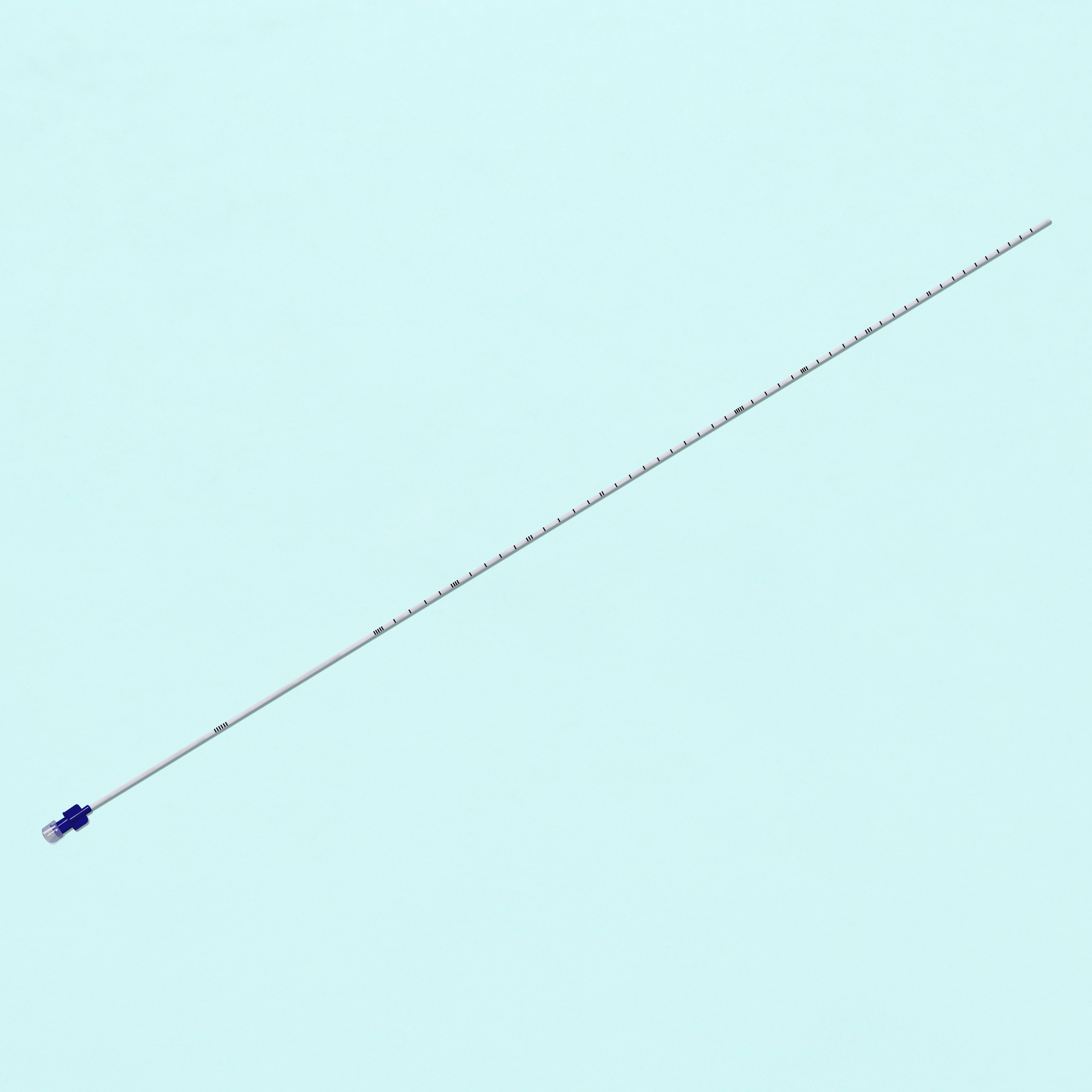
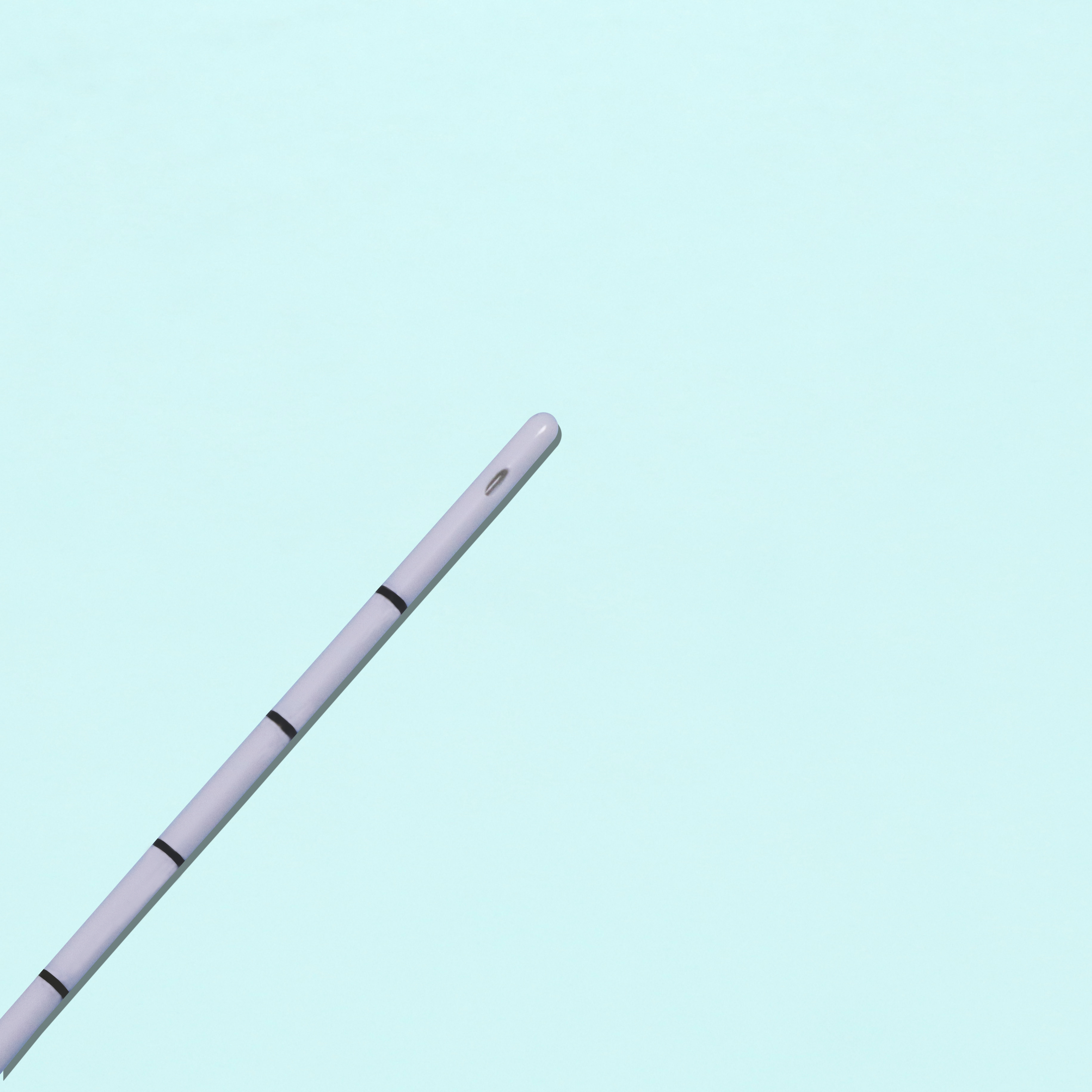
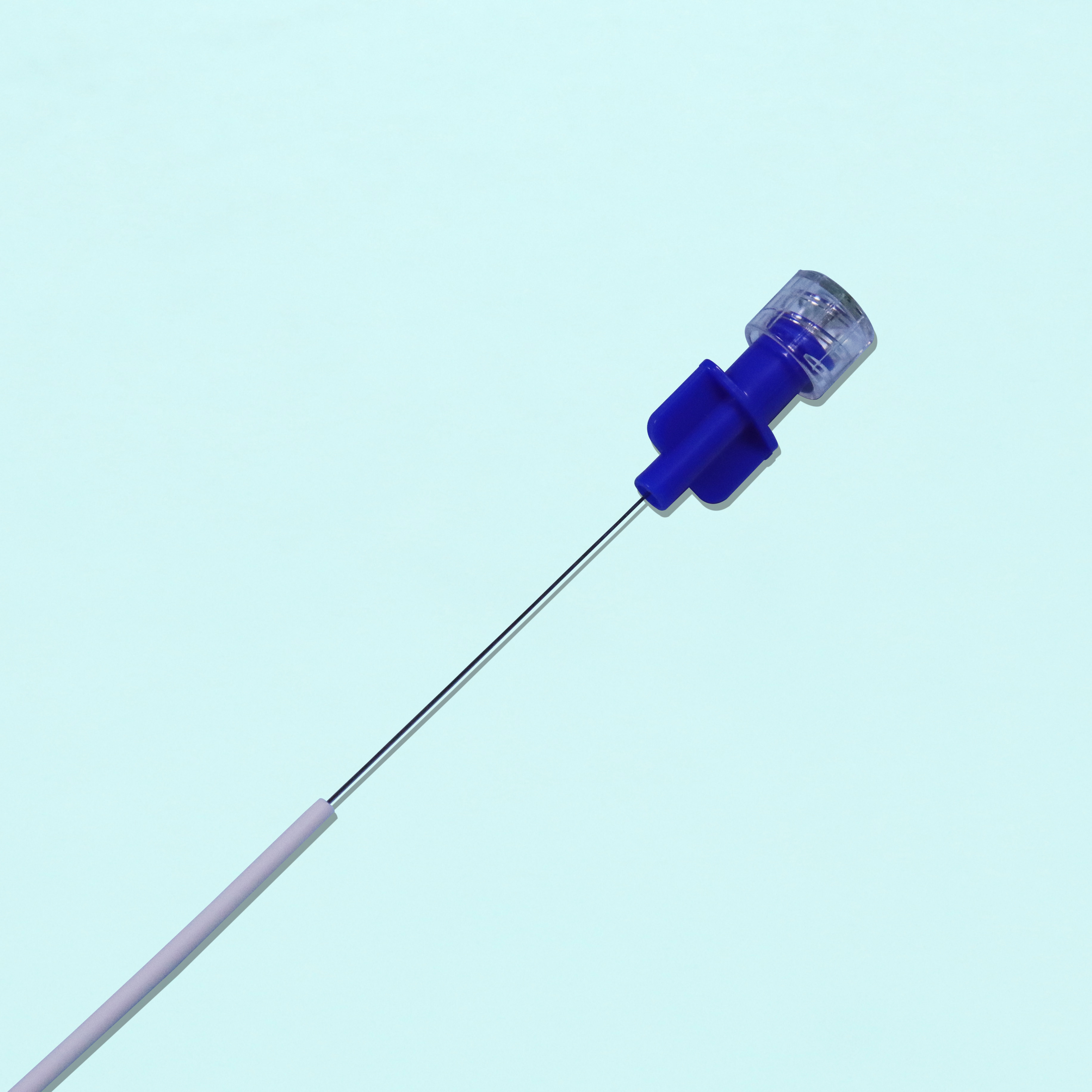
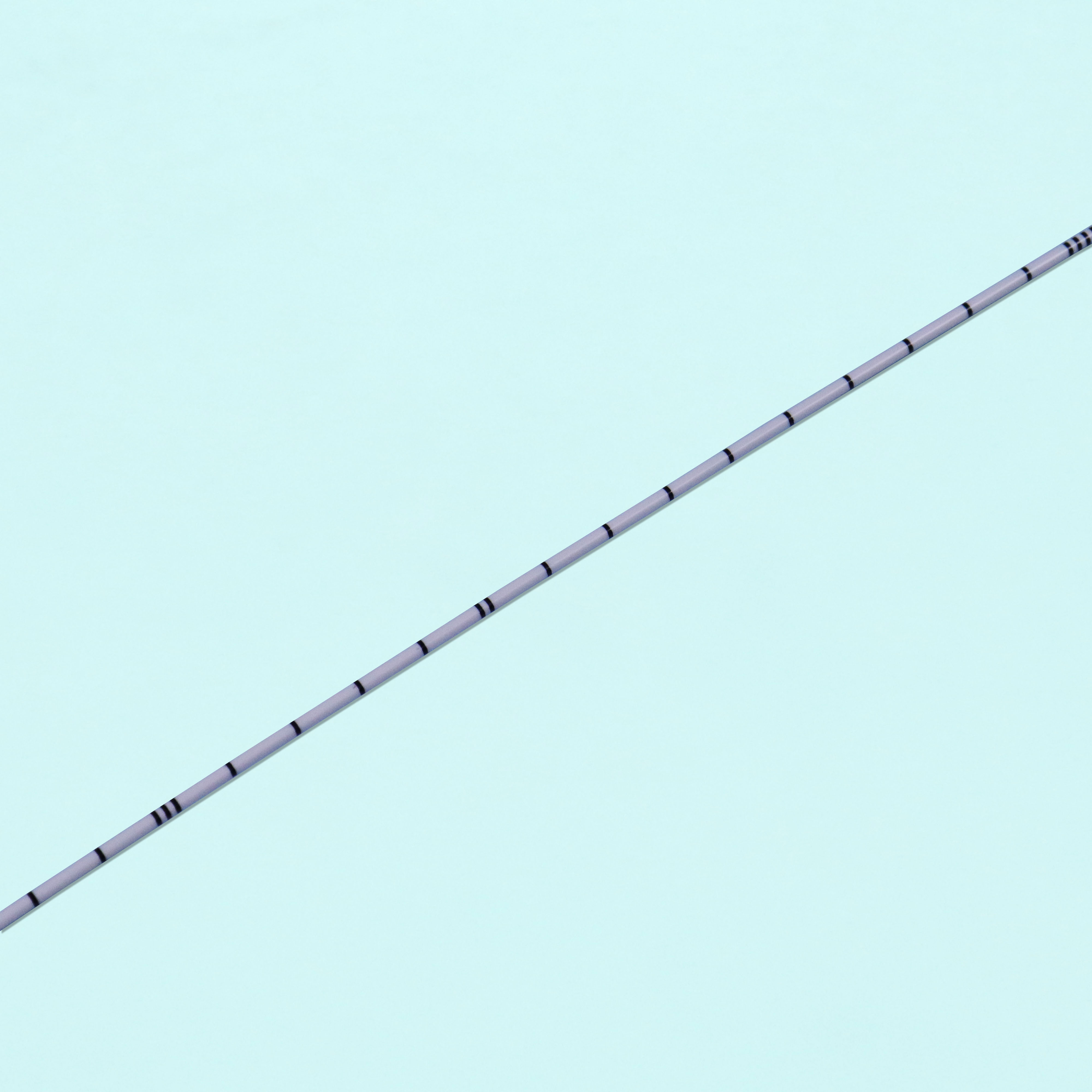
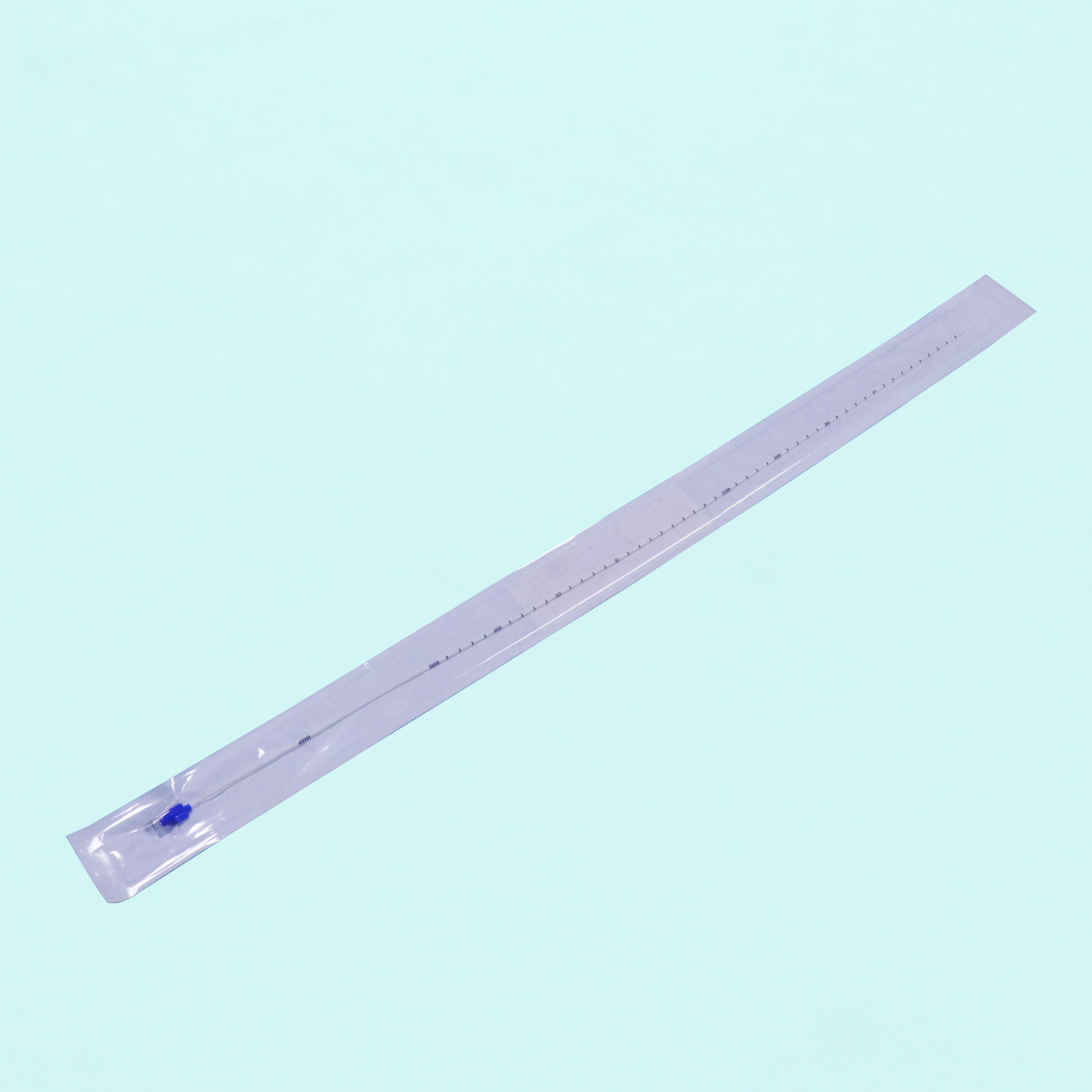
Ureteral Catheter
Product Features
● Made from biocompatible, flexible materials like polyurethane to navigate the ureter's natural curves without causing trauma.
● A simple opening at the end, allowing for drainage or guidewire passage.A rounded, closed tip with a side hole, promoting better drainage and preventing occlusion against the renal pelvis.
● Many feature a hydrophilic coating that becomes extremely slippery when hydrated, drastically reducing friction during insertion.
● Typically 70 cm long, as they must pass through the urethra, through the bladder, and then up the entire length of the ureter to the kidney.
Application scenarios
● Relief of Obstruction: To bypass blockages caused by kidney stones, blood clots, or tumors, preventing kidney damage.
● Urinary Diversion: To protect a surgical connection (anastomosis) in the ureter after surgery.
● Stent Placement: To serve as a "rail" over which a more permanent, double-J ureteral stent is placed.
Instruction for use
● Cystoscopy: A cystoscope (a thin, lighted camera) is inserted through the urethra into the bladder.
● Identification: The urologist visualizes the ureteral orifices—the openings where the ureters enter the bladder.
● Cannulation: Under direct vision, the ureteral catheter is advanced through the cystoscope's working channel and carefully threaded into the ureteral orifice.
● Advancement: The catheter is gently guided up the ureter until its tip rests in the renal pelvis of the kidney.
● Application: Once positioned, it can be used to drain urine, inject contrast dye, or act as a guide for a ureteral stent.
Specifications and Models
| Product No | Model(F) | Length(cm) |
| 541001 | 5F*70cm | 70cm |
| 541002 | 6F*70cm | 70cm |
Product Details