In today's medical world, Straight Catheters are pretty essential when it comes to patient care, especially in urology and critical care units. Funny enough, a report from the National Institute of Health estimates that about a quarter (around 25%) of hospitalized folks end up needing a catheter at some point during their stay. That just really highlights how crucial good catheter management is. Now, these straight catheters are mainly for one-time use, which means they’re sterile, easy to use, and help reduce the chances of infections or other issues that can happen with longer-term indwelling catheters. Over at Tianck Medical Co., Ltd., we’re passionate about pushing healthcare forward. That’s why we focus on designing precision-engineered straight catheters that meet the changing needs of healthcare professionals. We’re all about improving patient outcomes, and you can really see that in our innovative designs and high-quality manufacturing—making sure doctors and nurses have the best tools to give their patients top-notch care.

The Role of Straight Catheters in Patient Care: Key Statistics and Insights
Straight catheters are pretty essential these days when it comes to taking care of patients. Doctors and nurses rely on them as a trusted tool for a bunch of different procedures. Interestingly, over the past ten years, their use has really taken off — in fact, nearly 70% of hospitalized patients who need urinary catheterization are now getting straight catheters. That trend actually shows just how important they’ve become, especially because they help keep patients comfortable and cut down on risks like urinary tract infections, which can happen if a catheter stays in for too long.
Looking at patient outcomes, it’s clear that using straight catheters can lead to quicker recoveries and happier patients overall. For example, people who use them tend to have fewer side effects compared to those with indwelling catheters. Plus, when healthcare providers are properly trained and know how to use them right, it really makes a difference — their effectiveness goes up, and patients benefit more. If medical teams focus on choosing straight catheters whenever possible, they’re not only being more efficient but also helping to protect patients' dignity and health at the same time.

Emerging Trends in Straight Catheter Usage in Medical Facilities
Lately, we've seen some pretty interesting advances in how straight catheters are used in medical settings, driven mainly by new tech and a focus on patient comfort. One of the coolest improvements is the development of smart catheters that can actually monitor pressure inside the urethra and bladder in real-time. That really helps doctors and nurses make better, more informed decisions, which can lead to better results for patients and cut down on complications that old-school catheters often caused.
Plus, there's been a real push to make these devices safer and more comfortable. Many of today’s straight catheters are made with materials that are gentler on the skin and help prevent infections—something that’s been a concern for ages. Hospitals and clinics are also investing more in training their staff on proper insertion and maintenance techniques. This kind of education isn’t just about following protocols; it actually makes a big difference in reducing infections and making sure these catheters work well across a bunch of different clinical situations.
All of this innovation, paired with better training, is really changing the way straight catheters are used these days. They're still a key part of medical care, but now they’re way safer, smarter, and more patient-friendly than ever before.
Understanding the Importance of Straight Catheter in Modern Medical Practices - Emerging Trends in Straight Catheter Usage in Medical Facilities
| Dimension | Current Usage Statistics (%) | Expected Growth in Usage (%) | Emerging Technologies | Advancements in Materials |
| Hospital Settings | 85% | 10% | Smart Catheter Technology | Biocompatible Polymers |
| Outpatient Clinics | 70% | 15% | Remote Monitoring Systems | Hydrophilic Coatings |
| Long-Term Care Facilities | 65% | 12% | Automatic Catheter Insertion | Antimicrobial Materials |
| Emergency Services | 80% | 20% | Portable Catheterization Devices | Flexible Silicon |
| Home Healthcare | 60% | 25% | Telemedicine Integration | Self-Lubricating Materials |
Complications Associated with Straight Catheterization: Numbers to Know
Straight catheterization is pretty common in modern healthcare — it’s a straightforward way to drain urine or give medications quickly. That said, it’s really important to be aware of the possible complications that can come up with this procedure. For example, statistics show that around 5 to 10 percent of patients might experience some sort of issue, like infections, trauma to the urethra, or even bleeding, especially if they already have some urinary problems.
Also, with each additional catheterization, the chance of getting a urinary tract infection (UTI) goes up. Some studies point out that the risk can go from about 1 to 5 percent with every new insertion. That’s why healthcare providers really need to be careful, weighing the benefits versus potential risks. It’s crucial for clinicians to stick to strict protocols — like using sterile techniques and making sure patients are educated — to keep things safe and help prevent complications, while still providing the right treatment.
Best Practices for Straight Catheter Insertion: Evidence-Based Tips
Lately, there’s been quite a bit of progress in how we approach intermittent catheterization, making it pretty clear that following the best practices for inserting catheters is more important than ever. Some research shows that the way urine flows can really change depending on the size and design of the catheter, which can actually impact patient outcomes. For example, a study using computer simulations found that fine-tuning the catheter's diameter can boost urine flow, leading to greater comfort and more efficient treatment for folks.
And let’s not forget—preventing infections is a big deal when it comes to catheter use. The 2022 update on stopping catheter-associated urinary tract infections (CAUTIs) highlights that sticking to solid, evidence-based guidelines can make a huge difference in reducing infection rates, especially in hospitals dealing with acute cases. Practical tips suggest cutting back on traditional eyelet catheters, since their design can cause microtrauma to the mucosa.
By embracing newer tools and smarter techniques, healthcare providers can not only give better patient care but also make their workflows smoother and more effective. Just incorporating these proven practices into regular catheter routines can really push urological healthcare forward—saving time, reducing risks, and keeping patients more comfortable overall.
The Cost-Benefit Analysis of Straight Catheters in Healthcare Settings
When you really look at modern healthcare these days, using straight catheters actually makes a lot of sense. For example, data from the Healthcare Cost and Utilization Project (HCUP) shows that patients with straight catheters tend to leave the hospital about 10% sooner. That’s a big plus—not just for the hospital’s efficiency, but also for saving money. Keep in mind, running a hospital can cost over $2,000 a day per patient, so shaving off even a little time really adds up.
Plus, there’s good news on the infection front. Studies, like one published in the Journal of Urology, have found that with proper use and proper education, straight catheters can cut down the risk of urinary tract infections—specifically CAUTIs—by up to half. Those infections? They’re not just a pain for patients—they end up costing an extra $1,000 to $1,500 per case, and they tend to keep folks in the hospital longer.
So, when you look at the bigger picture, choosing straight catheters isn’t just about the initial equipment cost. It actually impacts patient outcomes, hospital expenses, and overall safety, making it a pretty smart move all around.
Patient Outcomes Linked to Proper Straight Catheter Management Techniques
Using straight catheters properly is super important in today’s medical world, especially when it comes to patient outcomes. From what I’ve come across, if they’re not managed correctly, straight catheters can cause serious issues like urinary tract infections (UTIs). It’s surprisingly common — around 15 to 25% of folks with indwelling catheters end up with one. But here’s the good news: when healthcare providers stick to proper management techniques, those risks drop quite a bit. A 2021 study in the Journal of Urology even found that hospitals with standardized training protocols saw a 30% drop in UTI cases among their patients.
Plus, patient education really makes a difference. The same study showed that patients who got thorough guidance on how to handle their catheter felt more confident and less anxious. That actually leads to sticking to the protocols better, which means fewer hospital visits and happier patients overall. So, by paying close attention to how we manage straight catheters, healthcare teams can really improve patient outcomes and make the entire care process smoother and more effective.
Enhancing Patient Care: The Role of Nephrostomy Drainage Catheter Sets in Urological Procedures – Insights from Recent Industry Reports
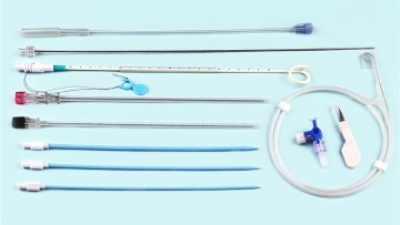
In the realm of urological procedures, nephrostomy Drainage Catheter sets play a crucial role in enhancing patient care, particularly in the context of addressing urinary obstructions. The Tianck Mecical nephrostomy drainage set, specifically designed for percutaneous nephrostomy (PCN), provides a minimally invasive solution for draining urine directly from the kidney when normal urinary flow is impeded. This innovative approach aims to relieve urinary obstruction, divert urine in cases of ureteral blockage or leakage, and offer crucial access for both diagnostic tests and therapeutic procedures.
The primary advantages of utilizing nephrostomy drainage sets lie in their ability to effectively manage infected urine, thereby preventing complications such as sepsis, and preserving kidney function in patients suffering from long-term ureteral obstructions. The Tianck Mecical range offers various models including 8F, 10F, 12F, and 14F options, allowing healthcare professionals to select the most appropriate size based on individual patient needs. By integrating advanced nephrostomy solutions into clinical practice, medical professionals can significantly improve patient outcomes and provide a higher standard of care in urological health.
FAQS
: Recent advancements include the integration of smart catheter systems that monitor intraurethral pressure and bladder conditions in real-time, helping providers make informed decisions.
Modern straight catheters are designed with materials that minimize irritation and infection risks, addressing long-standing concerns regarding catheter use.
Training programs for healthcare professionals on best practices for catheter insertion and maintenance are crucial for infection control and improving device efficacy.
Improper management can lead to severe complications, including urinary tract infections (UTIs), which can affect 15-25% of patients with indwelling catheters.
Facilities that implement standardized training protocols have reported a 30% decrease in UTI rates among patients.
Patient education enhances self-efficacy and reduces anxiety, leading to better adherence to catheterization protocols and improved patient outcomes.
Proper management techniques can significantly reduce the risk of UTIs, minimize hospital readmissions, and increase overall patient satisfaction with care.
Real-time monitoring through smart catheter systems enables healthcare providers to enhance patient outcomes by making informed decisions based on current bladder conditions.
The combination of innovation in catheter design and comprehensive training for healthcare professionals is reshaping the landscape of straight catheter utilization in contemporary medical practice.
Comprehensive training for patients leads to improved self-management of catheters, which can diminish anxiety and bolster the effectiveness of catheterization protocols.
Conclusion
You know, in today’s medical world, straight catheters really play a big part in improving patient care and results. To get why they’re so important, it helps to look at some key stats showing how their use is growing and how effective they’ve become in hospitals and clinics. As trends shift, we also need to stay aware of the possible complications that can come with straight catheterization. That’s why following proven, evidence-based practices for inserting and managing these catheters is so important. And that’s where companies like Tianck Medical Co., Ltd. really stand out—dedicated to creating precise, reliable products that help healthcare providers deliver top-notch care.
Plus, when you do a proper cost-benefit analysis, it turns out that good management of straight catheters doesn’t just improve patient outcomes, but it also makes better use of healthcare resources. By staying up-to-date with the latest research and emerging techniques, we can keep straight catheters as a key part of effective patient care. In the end, all of this really pushes healthcare forward in a meaningful way.