Hey, have you noticed how the worldwide demand for Balloon Catheters has really shot up lately? A big reason is the rise in cardiovascular issues across the globe. I came across a recent report from MarketsandMarkets, and it predicts that this market could hit around $4.8 billion by 2026. Crazy, right? What’s fueling this surge are pretty impressive advancements in medical tech and, of course, the aging population.
Major players like Boston Scientific and Medtronic are really pushing the envelope here, focusing on innovation and top-notch quality. Their goal? Keeping patients safe while making sure the devices work like a charm. But, honestly, it’s not all smooth sailing. Not all Balloon Catheters are created equal—so, when you're shopping around, you’ve gotta really know what to look for and think about your specific needs.
Understanding how these devices perform is super important, too. Sometimes clinical studies show different results when it comes to safety and effectiveness, so it’s essential to dig into the data and get a clear picture before making a choice. Honestly, finding the right Balloon Catheter isn’t just a walk in the park; it takes a bit of know-how and some careful research to get it right.

When selecting a balloon catheter, key considerations come into play. The material of the catheter affects its flexibility and durability. Patients require catheters that can navigate the body's complex pathways. A material that withstands pressure is crucial. It should also allow for easy inflation and deflation, enhancing usability.
Another aspect is the size. Catheters are available in various diameters. Choosing the right size ensures proper fit and minimizes complications. Physicians often face challenges in selecting the appropriate size. Oversized catheters can cause discomfort, while undersized ones may not perform effectively.
Compatibility with existing medical devices is equally important. A balloon catheter should seamlessly integrate with other tools. This reduces the risk of complications during procedures. Training staff on proper use is essential, as improper handling can lead to errors. The selection process can feel overwhelming, emphasizing the importance of expert consultation and thorough research.
Balloon catheters play a crucial role in various medical procedures. They facilitate minimally invasive surgeries and interventions. Types of balloon catheters vary significantly, accommodating different therapeutic needs. Among these, the Pta Balloon Catheter stands out, primarily used for angioplasty procedures.
In the market, three main types of balloon catheters are prevalent: regular balloons, Cutting Balloons, and non-Compliant Balloons. Regular balloons expand uniformly, providing optimal vessel dilation. Cutting balloons feature small, blade-like structures that make incisions in the vascular tissue, enhancing the dilation process. Non-compliant balloons are designed to withstand higher pressures, ensuring that they maintain their shape during inflation. According to a recent industry report, the market for balloon catheters is projected to grow at a CAGR of 5% from 2023 to 2028, driven by rising cardiovascular diseases.
Yet, challenges persist. The availability of suitable materials can be inconsistent in different regions. Also, healthcare providers often encounter issues with balloon rupture during procedures, stemming from manufacturing quality. A thorough understanding of each type's application is vital to minimize errors and ensure patient safety. Ongoing education and training for medical professionals can enhance decision-making related to each catheter type.
When exploring options for balloon catheters, various manufacturers stand out. According to recent industry reports, the global market for balloon catheters is projected to reach USD 7.5 billion by 2027. This growth is driven by advances in interventional cardiology and an increasing number of procedures, including angioplasty.
Several manufacturers have established strong reputations in the field. Their products emphasize reliability and precision. The industry has seen innovations in materials and designs, enhancing the performance of devices like the Ptca Balloon Catheter. Research indicates that newly designed catheters can improve patient outcomes significantly. However, some catheters may not perform reliably across all patient demographics.
While evaluating brands, buyers should consider their unique needs. Some options cater specifically to vascular procedures, while others focus on urological applications. Data shows that regions like North America and Europe dominate market share, reflecting advanced healthcare systems. However, emerging markets offer untapped potential. Buyers must remain diligent, as product quality varies widely. Each choice demands careful consideration to ensure efficacy and safety.
When considering balloon catheters, cost plays a significant role for buyers worldwide. Different regions reveal varying price points influenced by factors like supply chain logistics and import tariffs. For example, North America often experiences higher costs due to regulatory compliance and quality standards. Europe, while also regulated, may offer more competitive pricing based on local manufacturing.
In contrast, emerging markets often feature lower prices. However, these options may compromise on quality and reliability. This creates a dilemma for healthcare providers. They must balance budget constraints with the necessity for effective and safe medical equipment. It raises questions about whether lower costs correlate with shorter lifespans or increased complications.
Quality assurance can be challenging in regions with less stringent regulations. Buyers must thoroughly research potential suppliers and their practices. Evaluating certifications and user reviews can help mitigate risks. Ultimately, finding the right balance between cost and quality remains a pressing concern in the global marketplace.
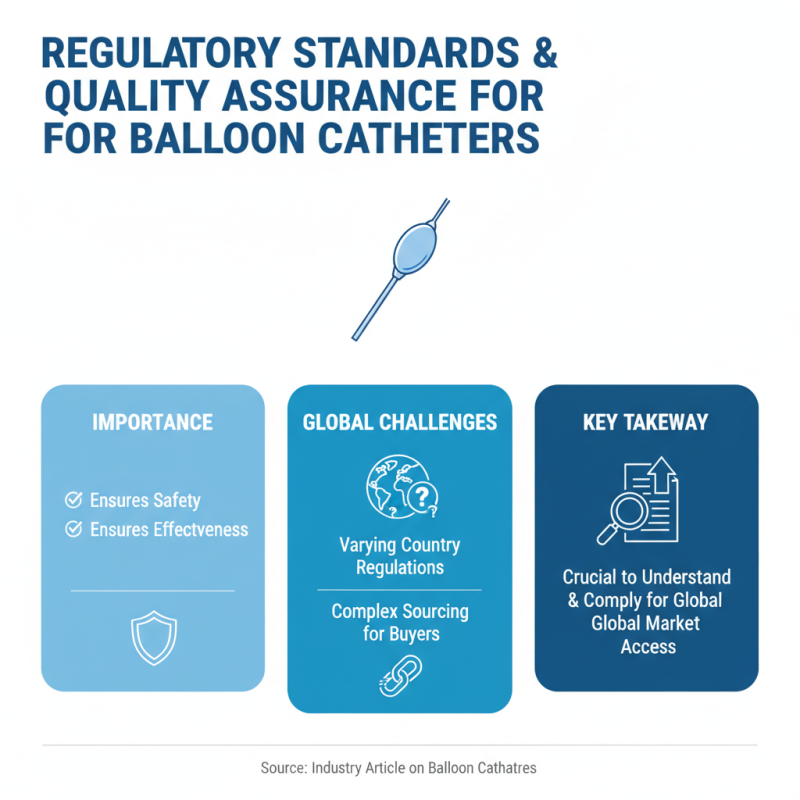
When it comes to balloon catheters, understanding regulatory standards is crucial. These standards ensure that products are safe and effective. Different countries have varying regulations. This creates a challenge for global buyers. Sourcing safe and compliant products can be complex.
Quality assurance is a key factor in selecting balloon catheters. Buyers must scrutinize manufacturing practices. A robust quality management system is essential. Not all products meet the same standards, leading to potential risks. Some manufacturers may cut corners, affecting the catheter's performance. Take the "Scoring Balloon Catheter" as an example. Its design can greatly influence patient outcomes.
Global buyers should prioritize suppliers who demonstrate their compliance with recognized standards. Certifications can be a reliable indicator of quality. However, it’s important to remember that certifications alone don't guarantee safety. Continuous monitoring and quality checks are necessary. Joining industry forums or associations can provide insights. This collective knowledge can enhance decision-making.
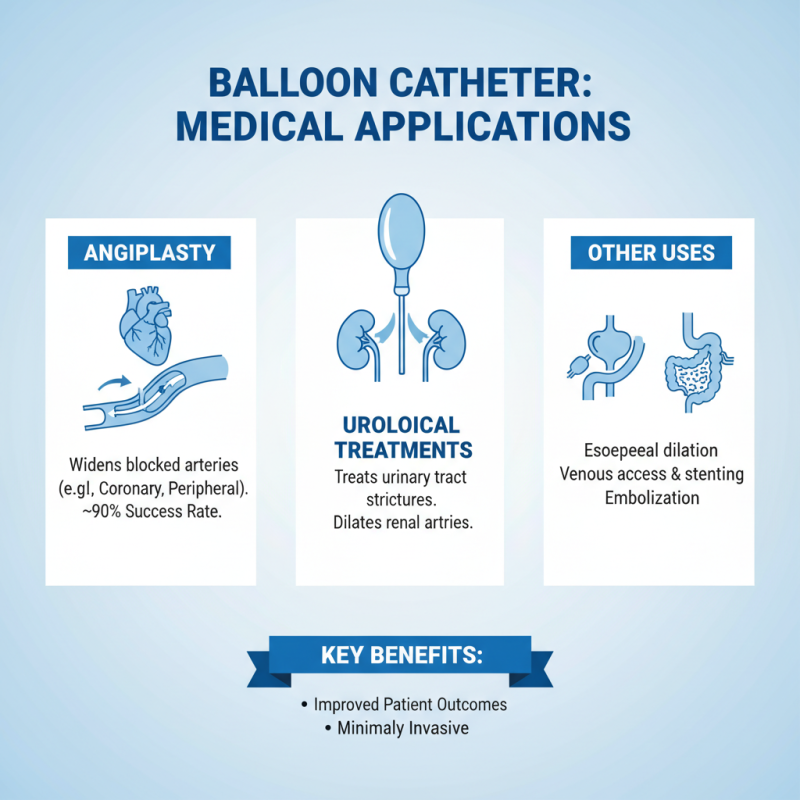
Balloon catheters have become essential tools in various medical procedures. Their applications are broad, ranging from angioplasty to urological treatments. In angioplasty, balloon catheters help to widen blocked arteries. According to a recent study, balloon angioplasty has a success rate of approximately 90%, significantly improving patient outcomes. This effectiveness is crucial for treating conditions like coronary artery disease and peripheral artery disease.
Healthcare professionals rely on balloon catheters for their ability to expand narrowed passages. They provide real-time feedback during procedures, allowing physicians to make informed decisions. However, there are challenges. Catheter size and flexibility can affect performance. A study revealed that 15% of procedures faced complications due to inappropriate catheter selection. These statistics highlight the necessity for careful planning and skilled operators.
In urology, balloon catheters assist with bladder and urethra interventions. They've proven valuable in treating urethral strictures and bladder neck obstructions. Although generally effective, 20% of patients report discomfort post-procedure. Continuous evaluation and innovation in catheter design are essential for enhancing patient comfort and outcomes. Additionally, healthcare providers must remain aware of the evolving standards for balloon catheter use. This ensures they deliver the best care possible.
Balloon catheter technology is evolving rapidly. This evolution is driven by the need for effective treatment options. Medical professionals are always looking for innovative solutions to improve patient outcomes. A fascinating trend is the development of the Cutting Balloon Catheter. This design features blades on its surface, allowing for more precise and controlled dilation of narrowed vessels.
Another key innovation is the use of advanced materials. These materials enhance flexibility and durability. They also reduce the risk of vessel damage. Many designs now incorporate hydrophilic coatings, which improve maneuverability. They enable smoother navigation through complex vascular systems. However, while these advancements promise better performance, they also necessitate further analysis of their impact in clinical settings.
Lastly, integrating smart technology into balloon catheters represents the future. Sensors can provide real-time data during procedures. This capability could enhance decision-making. As exciting as these trends are, reflection is crucial. There remains a gap in understanding how these innovations affect long-term outcomes. Continuous research and feedback loops are essential for ensuring the reliability of new technologies.
: There are three main types: regular balloons, cutting balloons, and non-compliant balloons. Each serves a different purpose.
Cutting balloons feature blades that incise vascular tissue, promoting better vessel dilation.
They help widen blocked arteries, showing a success rate of about 90% in improving patient outcomes.
Challenges include balloon rupture during procedures and inconsistent material availability in various regions.
Inappropriate catheter selection can lead to complications, with studies showing a 15% complication rate.
Innovations include advanced materials, hydrophilic coatings, and the integration of smart technology for real-time data.
Yes, about 20% of patients report discomfort after urological interventions involving balloon catheters.
Continuous education helps improve decision-making and ensures patient safety during catheter procedures.
Future developments could involve smarter technologies that provide better performance and real-time feedback during procedures.
Continuous research is essential to understand the long-term effects of innovations and ensure reliability in clinical settings.
When selecting a balloon catheter, it's essential to consider various key factors such as the intended medical application, the types available in the market, and the manufacturers' reputations. There are several types of balloon catheters, each designed for specific therapeutic purposes, which can include angioplasty and drainage procedures. Understanding the cost variations of balloon catheters across different regions can also aid in making an informed choice.
Furthermore, adherence to regulatory standards and quality assurance processes is crucial for ensuring patient safety and efficacy. Recent trends reflect significant innovations in balloon catheter technology, enhancing their functionality and effectiveness in medical procedures. By staying informed about these considerations and advancements, global buyers can select the best balloon catheter options tailored to their medical needs.